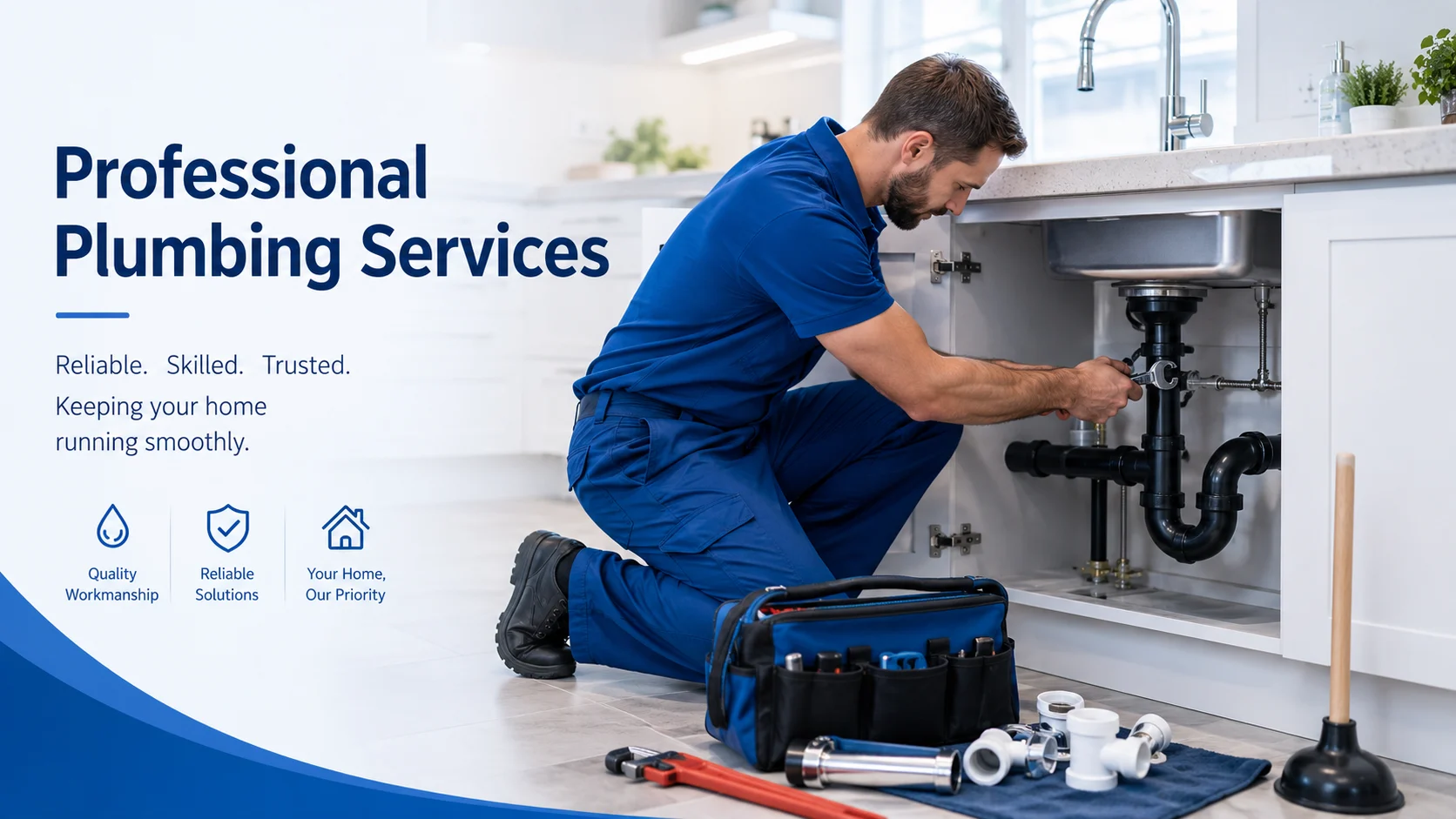
Plumbing systems are one of the most critical parts of every home—but often homeowners don’t think about them until something goes wrong. Small issues like a dripping faucet or a slow drain can seem harmless at first, but if ignored, they can turn into expensive repairs. In this blog, we’ll explore the 10 most common plumbing problems that homeowners face, how to identify them early, and what you should do to fix or prevent them.
First, one of the most frequent issues is leaky faucets—this not only wastes water but also increases your utility bills. A worn‑out washer or mineral buildup often causes this, and a simple tightening or part replacement usually fixes it. Next is clogged drains in kitchen sinks or bathroom showers, often caused by grease, hair, and soap buildup. For minor clogs, a plunger or drain snake works well; for persistent blockages, professional drain cleaning is the best option.
Low water pressure is another common concern — it might be caused by sediment buildup or pipe leaks. A plumber can inspect and clean aerators or look for leaks behind the walls. Running toilets waste gallons of water and are usually due to worn flappers or faulty flush valves, which are inexpensive to replace. Water heater problems like no hot water, strange noises, or leaks can signal sediment buildup or a failing heating element—regular maintenance helps extend its life.
Other issues include burst or frozen pipes during cold weather, sump pump failures, sewer line problems, and gas line leaks. Each of these can lead to serious damage if not handled properly. Homeowners should know how to shut off the main water supply in an emergency, because quick action can prevent flooding or structural damage.
At the end of the post, emphasize why professional plumbing services are valuable: plumbers have tools, training, and experience to handle both small fixes and major repairs safely. Give tips on when it’s best to call a plumber (e.g., persistent leaks, sewer smell, no hot water) versus simple DIY maintenance steps. Conclude with a call to action encouraging readers to contact your service for inspections, repairs, or emergencies.